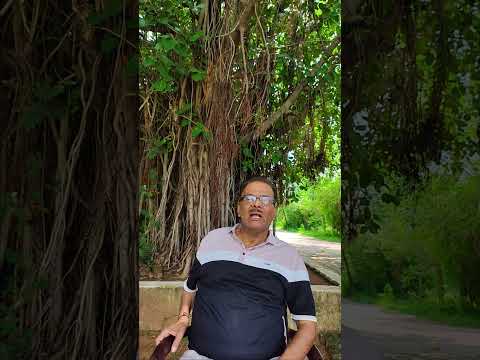
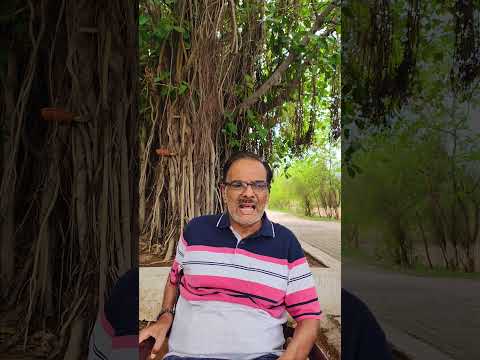
Happiness is the theme he returns to most, in his three-part series Khushi ka Chakra (the wheel of happiness) and in dozens of Shorts tagged ‘the power of happiness’. Pleasure is physical, he says; happiness is inner.
These ideas come from six of his videos: the three parts of Khushi ka Chakra, his talk on laughter, and three Shorts.
Make something
Once, the cobbler was proud of the shoes he made, the potter of his lamp, the mother of her rotis. Today we pay and consume, and creation has vanished. Write a page, play a match instead of watching one, grow a plant, travel. Small things done for their own sake, as Raphael painted and Kalidasa wrote, turn the wheel of happiness.
Go out and walk
Rahul Sankrityayan, who travelled through Tibet and Central Asia and wrote a whole book on wandering, urged people to travel, and Dr. Jain agrees: travel is creation too. Those who walked to the Kumbh and struggled to bathe in the river, he says, knew a joy that those who were taken there on a sponsored trip did not. Do things yourself rather than watching others do them.
Take joy in your work
Three labourers built the same church. One said he was cutting stone, one that he needed the wage, and the third that he was shaping stones for a beautiful church. The third was the happiest. Every kind of work has dignity, and joy comes from being absorbed in it rather than fixed on the result.
The banker and the beggar
He tells of a famous European banker who wrote in his memoirs about a beggar ringing his bell before dawn. When scolded for the hour, the beggar replied that this was his trade, and he did not tell the banker how to run his bank. The banker saw a glow on the man’s face and gave generously. However small the work, keep your dignity and your faith in it, and joy will come.
Cooperation and compassion
Two more things complete the wheel, he says: cooperation and compassion. He tells how the Buddha walked fearlessly into the forest where the bandit Angulimala lived, and asked him, before killing him, to cut a branch and then to join it back to the tree. Angulimala said he had only ever cut, never joined, and became the Buddha’s disciple. Without cooperation and compassion in the heart, there is no joy and no happiness.
Be content with what you have
We look for satisfaction outside, in things and achievements, but it is the nature of the soul. Keep trying for more, he says, but learn to be happy with what you have, and live in the present rather than in the past or the future.
Say thank you
Gratitude is an art: in words, in writing, with the eyes. It builds a bond between two people. Thank nature for water, air and soil; thank the farmer, the milkman, the vegetable seller; thank your parents. Do it each morning, even silently.
Laugh, without a reason
Children laugh fully and cry fully, he says; somewhere we forget how. He tells the Chinese tale of three monks who wandered from village to village laughing, until whole streets stopped to laugh with them. When one died, the other two laughed at the pyre, because he had won their bet to go first, and the colours that burst from his clothes made the village laugh once more. Don’t be a miser with laughter.
आप हँसने के लिए कोई कारण ना ढूँढें।
Don’t look for a reason to laugh.
Happiness is an echo
Give happiness and more comes back. He tells of a nineteenth-century Russian writer, Ivan Turgenev, who met a beggar and had nothing to give, so he took his hand, put an arm on his shoulder and asked how he was. That, too, is a way to give.
खुशी देने से अधिक खुशी लौटती है।
When you give happiness, more comes back.
Together, in the rain
In one light-hearted talk, recorded among trees in the monsoon, he suggests a simple ritual: on a rainy day, make pakodas together as a family, ideally outdoors, and don’t leave it all to one person. Away from phones and the daily race, such small shared moments build love in a family and ease stress. Take children into the fields, he adds, and let them learn why rain and water matter.
Videos in this article







Written from Dr. Jain’s own videos; his words are translated from Hindi on the English page.